Iraj Passes Away!

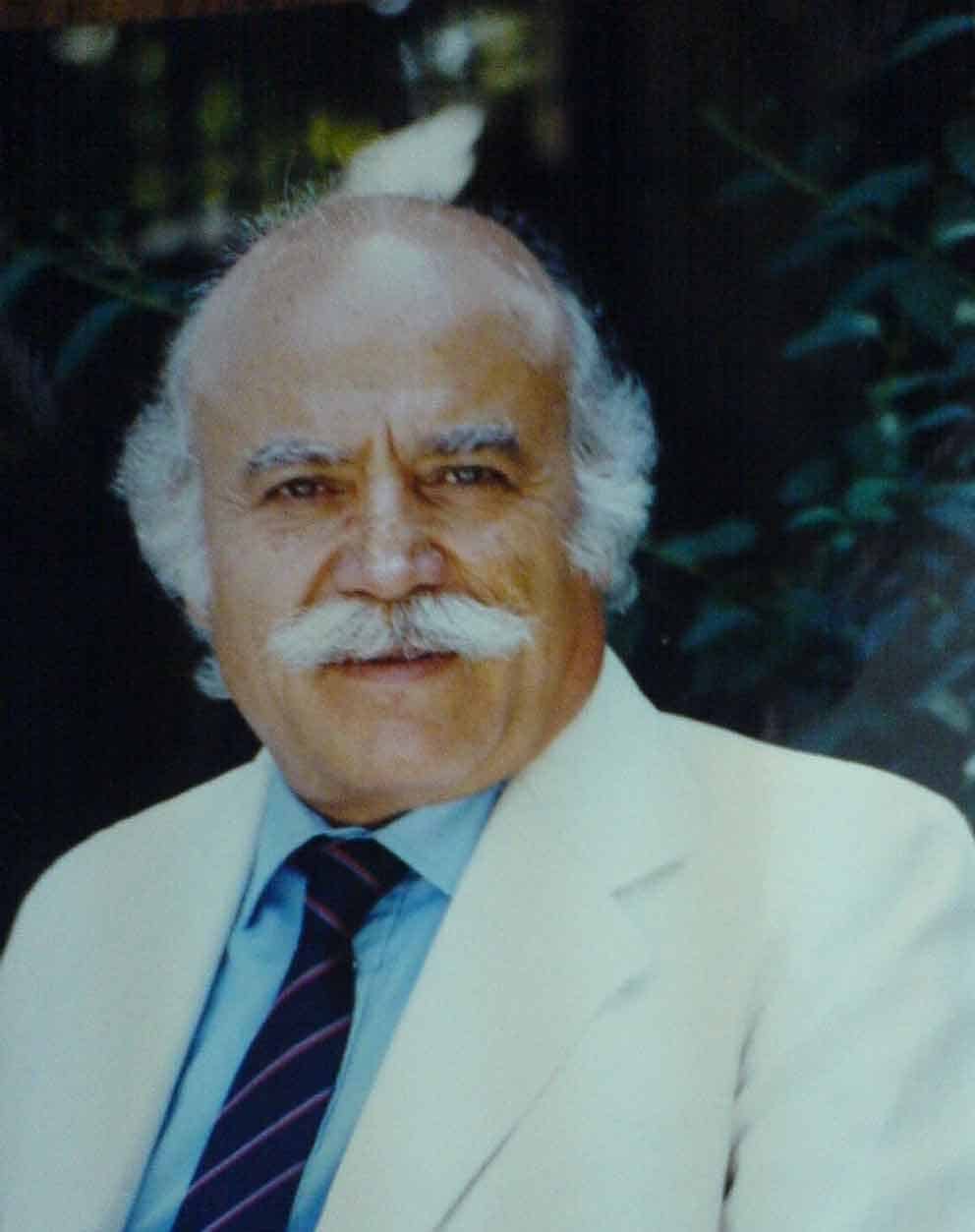
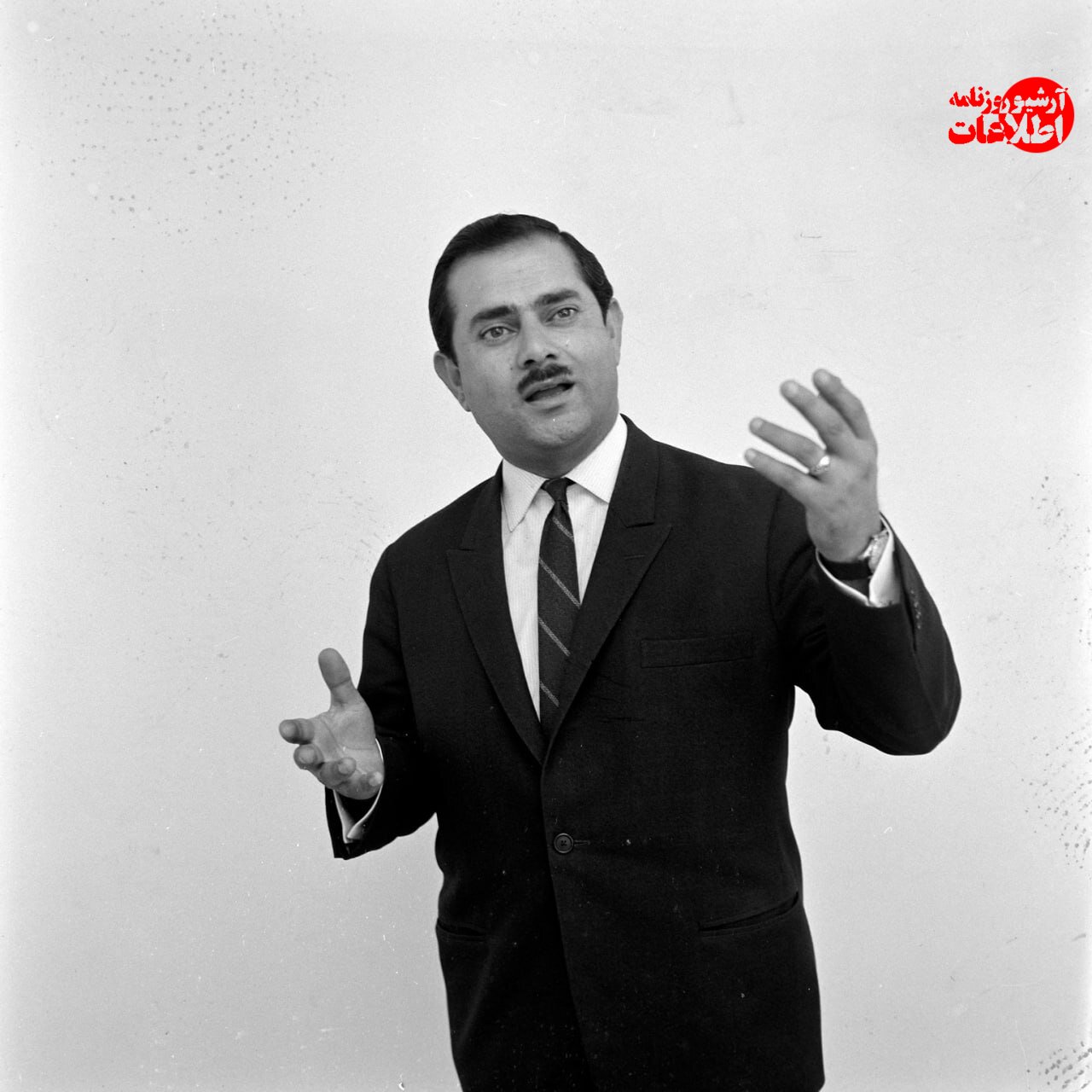
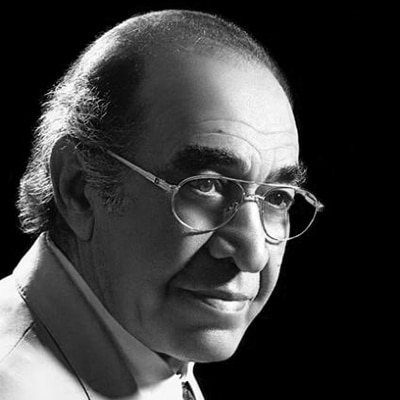
Iraj (Hossein Khajeh-Amiri), Legendary Iranian Vocalist, Passes Away at 94

Iraj (Hossein Khajeh-Amiri), born on January 1, 1933, in Natanz, and one of the most renowned figures in Iranian vocal music, passed away at the age of 94 after several months of illness. He was born into an artistic and cultivated family; his ancestor was a celebrated singer during the era of Nasser al-Din Shah Qajar, and his father, who himself possessed a fine voice and was well-versed in the radifs (modal systems) of Persian music, devoted years to training his son’s voice. In his early youth, Iraj also participated in Ta’ziyeh (religious passion plays) and learned the subtleties of vocal performance step by step from Ta’ziyeh performers who had mastered the radifs and modes.

In 1947, he entered the school of Abolhasan Saba and over two consecutive years completed his musical education under this prominent master. With Saba’s introduction, he gained entry to Radio Iran, where he performed with the orchestra of Ebrahim Mansouri. He later entered the Officers’ Academy. Since his simultaneous service in the gendarmerie imposed restrictions on his artistic activities, he adopted the stage name “Iraj” – which was originally his brother’s name – in order to continue his singing while adhering to official regulations.

The year 1957 marked a turning point in his artistic career: at the invitation of Davoud Pirnia, he joined the legendary radio program Golha (Flowers). His first collaboration was on an episode titled Barg-e Sabz-e 43 (Green Leaf 43), alongside Ali Tajvidi, Farhang Sharif, and Amir-Naser Eftekhah. This collaboration initiated a prolific period of his presence across various radio platforms.

In addition to performing a vast number of radio programs, Iraj also excelled in film songs and vocal pieces for cinema, to the extent that many prominent actors of the time, such as Fardin, Manouchehr Vosough, and others, lip-synced to his songs on screen. The first film featuring his work was Rowzaneh-ye Omid (Window of Hope), directed by Sardar Sagar Hindi, with lyrics by Javad Lashgari.

His range of artistic collaborations was remarkably broad and unique. He performed alongside greats such as Ali Tajvidi, Homayoun Khorram, Parviz Yahaghi, Habibollah Badiei, Asadollah Malek, Jalil Shahnaz, Lotfollah Majd, Farhang Sharif, Fereydoun Hafezi, Mehdi Takestani, Masoud Jamali, Akbar Mohseni, Mansour Nariman, Mahmoud Rahmani-Pour, Yousef Kamousi, Simin Agharazi, Emad Ram, Amir-Naser Eftekhah, Jahangir Malek, Abtin Ajlali, Hassan Kassai, Mohammad Mousavi, Hassan Nahid, Reza Varzandeh, Mansour Saremi, Majid Nahjai, Fazlollah Tavakkol, Mohammad Heydari, Ahmad Ebadi, Anoushirvan Rouhani, and many other instrumentalists and singers of his era. This extensive network attests to the deep respect he commanded among musicians, and he was widely praised and validated by his peers. Nevertheless, the greatest title ever recorded for him in the history of Iranian music is “Pahlavān-e Āvāz-e Irān” (The Champion of Iranian Song).

Iraj, who retired with the rank of colonel from the Road Police force, left behind a prolific artistic legacy of over two thousand vocal pieces, including songs, classical vocal renditions (āvāz), and instrumental-vocal compositions (tasnifs), performed across various programs over his career.

A funeral ceremony and farewell for Iraj Khajeh-Amiri, the celebrated vocalist of Iranian music, will be held at 10:00 AM on Friday, August 14, 2026, in front of Vahdat Hall. Following the ceremony, his remains will be transferred to the Artists’ Section of Behesht-e Zahra Cemetery for burial.
Post a Comment


Warning: Undefined variable $user_ID in C:\host-websites\harmonytalk.com\domains\en.harmonytalk.com\www\wp-content\themes\harmonytalk\comments.php on line 93
Required fields are marked *
*
*
Your email is never shared.

Parva, Iranian Singer, Passes Away!

Parva, a singer of Iranian music, has passed away after a period of illness. In recent years, she had been residing in both Iran and Austria.

Iraj Passes Away!

Iraj (Hossein Khajeh-Amiri), born on January 1, 1933, in Natanz, and one of the most renowned figures in Iranian vocal music, passed away at the age of 94 after several months of illness. He was born into an artistic and cultivated family; his ancestor was a celebrated singer during the era of Nasser al-Din Shah Qajar, and his father, who himself possessed a fine voice and was well-versed in the radifs (modal systems) of Persian music, devoted years to training his son’s voice. In his early youth, Iraj also participated in Ta’ziyeh (religious passion plays) and learned the subtleties of vocal performance step by step from Ta’ziyeh performers who had mastered the radifs and modes.

From Past Days…

Iranian Fallacies – School of Vaziri

Iranian Fallacies – School of Vaziri

The term “School of Vaziri” is often used in writings on Iranian music, but the exact meaning of the term is not clear; some of the authors have used the term to only refer to the group of Vaziri’s students, including a large group of his conservatory students and his Tar students such as Abolhassan Saba, Rouhollah Khaleghi, Ahmad Foroutan Rad, Hossein Sanjari, Heshmat Sanjari and others. But can we consider all Vaziri’s students as followers of his school of thought? This is definitely a mistake, because we know that some of Vaziri’s students have chosen a completely different path than that of Vaziri.

Gholam Reza Khan Minbashian: a pioneer in Iranian music (I)

Gholam Reza Khan Minbashian, a.k.a Salar-Mo’azez, was a pioneer in several domains in the history of the Iranian music. He is recognized as the first Iranian musician who was educated in classical music. He is also the first Iranian the score of whose works were published in Europe. He is the first Iranian to have launched courses on Western classical music and was also the first Iranian teacher of classical music. Moreover, he is the first founder of a string orchestra in Iran, the first author of the Iranian Radif which was available in oral form. Minbashian is also the first Iranian who studied music in Europe.

Is the Iranian National Anthem a Copy? (I)

The alleged similarity between the Iranian and South Korean National Anthems has been a matter of discussion among musicians in Iran for several years. Earlier in 2021, the issue was taken to the media again with not only claims that the anthem is very similar to another song but also the suggestion that its musical content should draw more on the Iranian national music. Some even went to the extent to suggest replacing it with the song “O, Iran” composed by the late Rouhollah Khaleghi. Before delving more into the main issue, it would not go amiss to consider some technical characteristics of the song “O, Iran” composed in 1944.

Principles of Playing Violin (VI)

B. applying force: the force needed for putting finger on finger board is applied through finger tips and using the rest of hand set especially wrist is not allowed. To practice this, it is possible to hold violin without the bow and throw the fingers on the finger board from 1-2cm distance; apply force only through finger tips.

Mohammad Esmaili passes away

Master Mohammad Ismaili, a prominent musician and renowned tombak player, passed away on August 13, 2023, after battling an illness in the ICU of Rasoul Akram Hospital. His funeral will take place on Thursday, August 17, at 10 am in front of Vahdat Hall, and he will be laid to rest in the Artists’ Section of Behesht Zahra Cemetery.

The Structure of Kurdistan Daf (III)

“Our ancestors believe powerful blows upon the Daf scatters evil spirits of disease and distress to create a clean and holy space filled with health and prosperity. Adding tools to Daf increases this instrument’s purification, spreading, and summoning powers of evil forces and goddesses. Daf was mostly depicted by red, color of blood, in ancient times or sometimes it was depicted with green, the color of plants and nature. There were probably some mysterious designs painted upon the wooden body and frames of these instruments just like today” (Pahlavan, 2013: 44).

Parviz Meshkatian’s Heart Beat for People (I)

Amidst the popularity of traditionalism in the Iranian music, Parviz Meshkatian (1955- 2009) moved from Neyshabur to Tehran. He learnt to play Santour and became educated in the Radif of Iranian music at the Centre for Preservation and Promotion of Music which was at the forefront of promoting the return to musical traditions. Despite his studies at a centre which promoted the use of the phrase “traditional music” in Iran, Parviz Meshkatian emerged as a creative artist whose innovative and unique ideas attracted the admiration of Iranian artists and people from different walks of life. This article studies the reason behind Meshkatian’s deviation from the wrong approach of traditionalism strongly promoted by the Centre and argues that apart from the issue of theory of Iranian music, he can be considered as Ali Naqi Vaziri’s successor.

Parva, Iranian Singer, Passes Away!

Parva, a singer of Iranian music, has passed away after a period of illness. In recent years, she had been residing in both Iran and Austria.

ShirMohammad Espandar Passes Away

Shir Mohammad Espandar, one of the veterans of regional music in Iran and a seasoned player of the Doneli (double-ney) instrument, passed away on Wednesday, July 22, 2026, at the age of 98. Espandar was active for many years in the field of Baloch music and, through his mastery of the Doneli, was regarded as one of the prominent figures of Iran’s regional folk music.

Loss of Development in Iranian Music

The mention by music instructors, academicians, students, and music enthusiasts about the lack of development in Iranian music is a topic that has been repeatedly heard, resulting in a superficial understanding and misinterpretation of Iranian music, which has been conveyed to students of the arts. This short essay aims to critique and examine this claim.