Between the year 1403 (2024–25) and today, the name of Mohammadreza Tafazzoli—composer and faculty member of the Faculty of Music at the University of Art, Iran—has appeared several times as a composer with various orchestras. In 1403, part of his suite *Dena* was performed by the National Orchestra; in 1404, the same work was performed in full by the Mitra Orchestra, and in the same year, his symphony *Vaghouyeha* (*Murmurings*) was staged with the Tehran Symphony Orchestra. Recently, in Mordad of the current year, we witnessed the performance of *Elegy* for string orchestra by the Vivo Orchestra, composed by him. Tafazzoli has tested diverse languages in his works—from the neotonal and at times atonal language of the twentieth century to a fully tonal language. But in most of his works, the combination of Iranian melodies with the neotonal language of the first half of the twentieth century is most visible. Below, on the occasion of the staging of *Elegy* by the Vivo Orchestra, we spoke with him about his activities and the atmosphere of his works. What follows is the text of that conversation.
Tag Archives: Mohammadreza Tafazzoli
Latest posts
- Tafazzoli: Monolingualism drives music into obscurity (1)
- Parva, Iranian Singer, Passes Away!
- Iraj Passes Away!
- Sohrab Pournazeri Becomes a Member of the GRAMMY Academy
- Shapour Rahimi Passes Away
- ShirMohammad Espandar Passes Away
- Jamshid Chemirani Passes Away
- Book “Iranian modal system (Dastgah music) modes” Published
- Transition to Enlightenment: Six Lectures on Mozart’s String Quartets (5)
- Nasser Masoudi: The Voice of Gilan and a Legacy of Iranian Music
- Farhad Poupel: The Voice of the Shahnameh in the Orchestras Around the World
- Five Major Myths About Mozart’s Life
From Past Days…
Rare documents of Tehran Opera Company published in Europe
The year 2020 marks the 10th anniversary of Evlin Baghcheban’s death. She played a crucial role to promote opera and choral music in Persia (Iran). Born to an Assyrian-French family in Turkey, she studied singing and piano at the Ankara State Conservatory. In 1950 Evlin married the Persian composer and fellow student Samin Baghcheban and moved to Tehran.
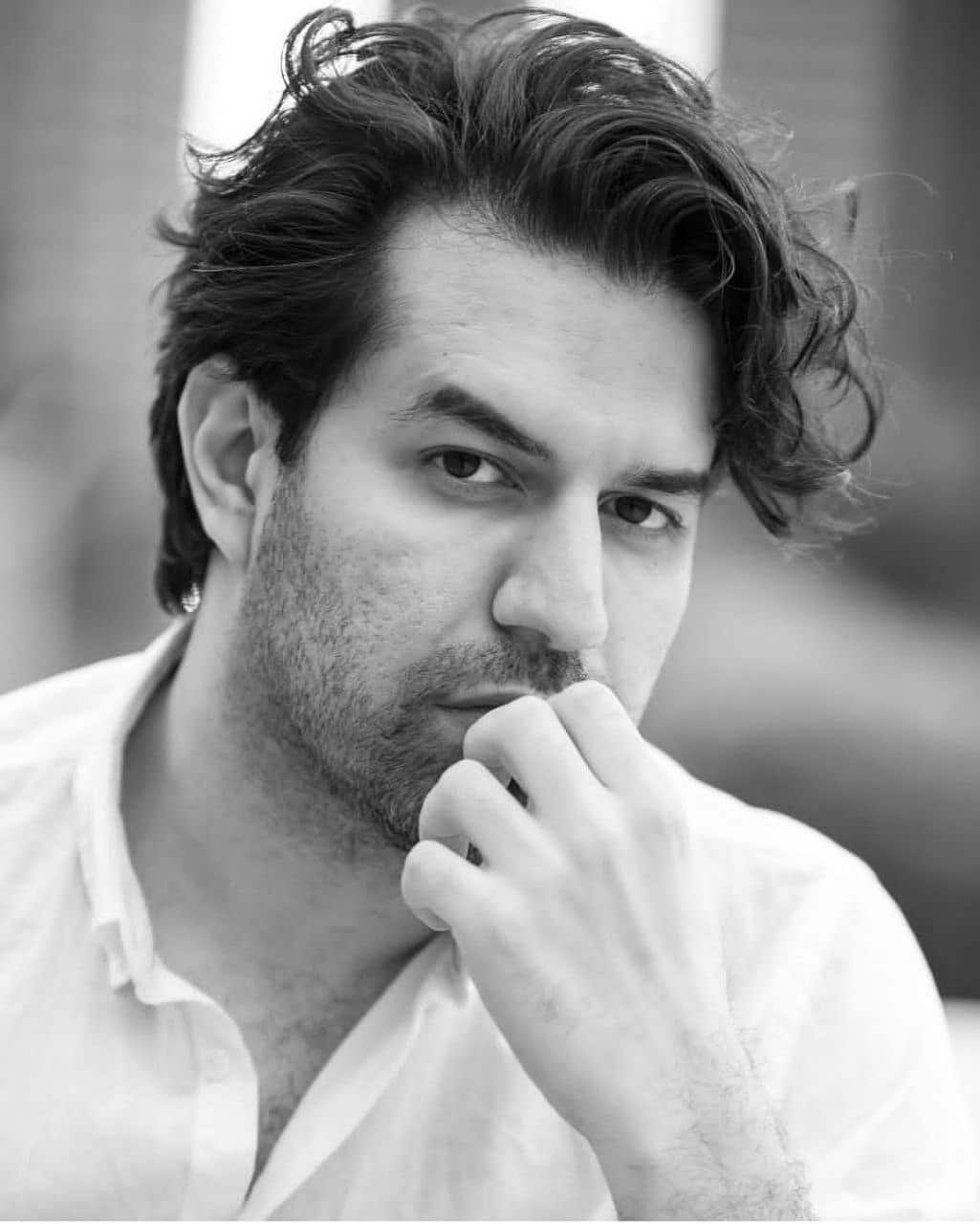
Sohrab Pournazeri Becomes a Member of the GRAMMY Academy
Sohrab Pournazeri, Iranian composer and instrumentalist, has joined the most prestigious music academy in the world. The GRAMMY Academy (Recording Academy) is responsible for awarding the most esteemed global prize in the field of music, annually recognizing the best in various categories across the international music scene.

Principles of Violin Playing (VII)
4.3.1.3 Regarding the great linear distance and the unusual distance between the first and forth fingers, the first finger while playing the doubles of ninth and tenth interval, can be twisted in the knuckle area and the point mentioned in 3.1.2.5 paragraph in relation to the way first finger is placed indicating that the first joint of this finger in back of hand must be in line with the direction of forearm and left hand is not true here.
A Look at Ali Tajvidi’s Manifold Musical Activities (I)
Ali Tajvidi (1920 – 2004), one of the most prominent Iranian musicians, passed away sixteen years ago. He was one of the most distinguished Iranian artists. To specify one of the fields in which he was unique, one can refer to Tasnif composition. A brief review of his manifold musical activities is presented below.
From the Last Instrumentalist to the First Composer (II)
Rouhollah Khaleghi was the master of composing beautiful melodies. He was the premier of the course of history which was first established by Ali Naghi Vaziri and which improved the Iranian music from simply a gathering music to the classical music of the country. First efforts to compose independent and instrumental music can be also traced in Khaleghi’s works.
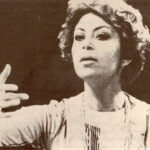
“I Will Never Perform Just for Women!”: Golnoush Khaleghi Passes Away in Exile
Golnoush Khaleghi, first Persian woman conductor and daughter of legendary composer Rouhollah Khaleghi, passed away on February 14. She was 80. Golnoush Khaleghi was the conductor of the NIRT (National Iranian Radio & Television) Choir in the 1970s. Shortly after the 1979 Islamic Revolution Ms. Khaleghi moved to the United States and founded the Rouhollah…
Read More
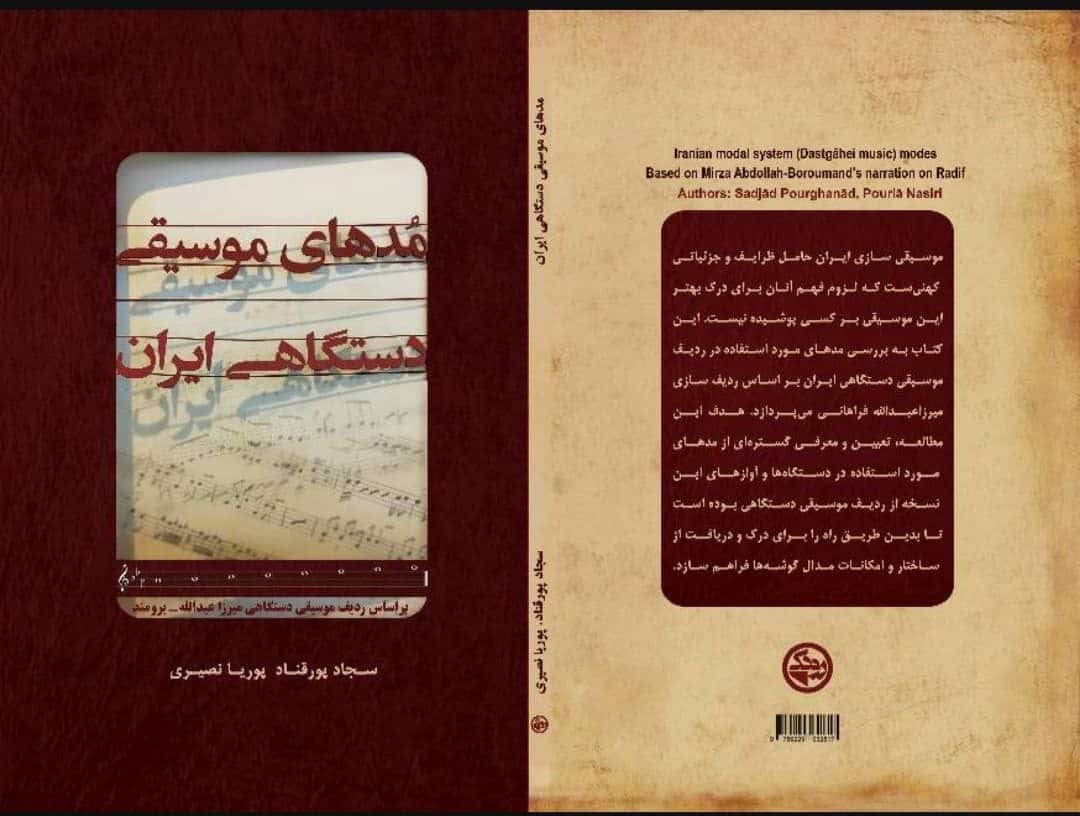
Book “Iranian modal system (Dastgah music) modes” Published
The Rudaki Foundation has presented the latest research achievement in the field of Iranian dastgāhī (classical modal) music to enthusiasts and researchers with the publication of the book “Modes of Iranian Dastgāhī Music”. This book is the result of years of effort by music researchers and specialists and can serve as a comprehensive and practical resource for performers, composers, and scholars.
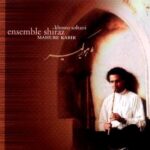
Persian Music: “Mahour the Great” in Austria
In 1990 an Austria-based Persian musician Khosro Soltani, in cooperation with Hossein Alizadeh, put out an album entitled, Ancient Call A New (Nobang-e Kohan). After many years, a few ancient Persian instruments such as Sorna, Karna, Naghareh,etc. have been used, instruments which have been left out of the circle of Persian classical musical instruments for centuries.
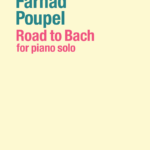
A few steps on the “Road to Bach”
The world of music has unparalleled respect for Bach. Bach is considered the spiritual father of classical music; Bach’s great position is due not only to his great achievements in the fields of harmony, counterpoint, and compositional sciences but also to his respect for and adherence to the artistic principles of classical music. In the history of classical music, it is recorded that Bach walked about fifty kilometers to listen to the music played by the great German organist Dieterich Buxtehude, and this is the path that every idealistic classical music student should walk.
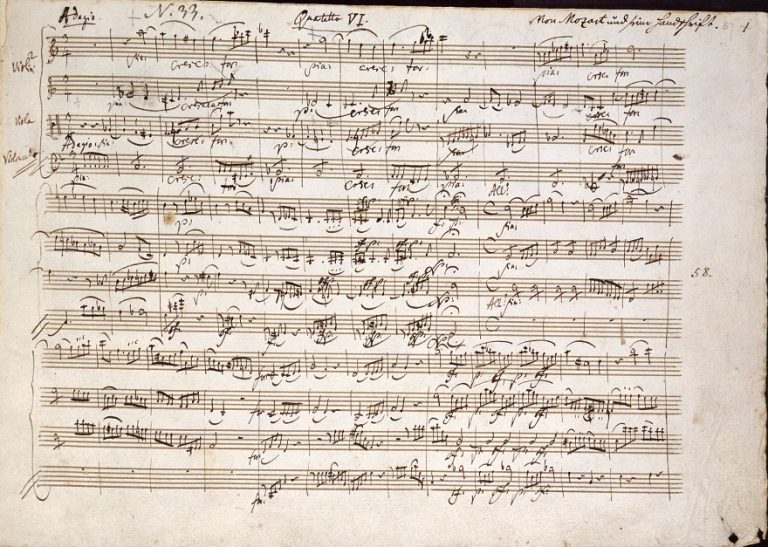
Transition to Enlightenment: Six Lectures on Mozart’s String Quartets (2)
Innovation and Creativity The Enlightenment era championed innovation, creativity, and the relentless pursuit of knowledge, values that resonate prominently in Mozart’s string quartets. Mozart, a luminary of the Enlightenment, used the quartet form as a playground for his inventive spirit, pushing the boundaries of traditional structures and harmonic progressions. Mozart’s innovative approach is evident in…
Read More