Shapour Rahimi, oud player, vocalist, and former director of the Center for the Preservation and Propagation of Music, passed away on June 24, 2026, at the age of 79, after a period of illness. This veteran artist had been hospitalized at Aram Hospital in Karaj on June 20, 2026, due to a deterioration in his general health.
Tag Archives: Shapour Rahimi
Latest posts
- Tafazzoli: Monolingualism drives music into obscurity (1)
- Parva, Iranian Singer, Passes Away!
- Iraj Passes Away!
- Sohrab Pournazeri Becomes a Member of the GRAMMY Academy
- Shapour Rahimi Passes Away
- ShirMohammad Espandar Passes Away
- Jamshid Chemirani Passes Away
- Book “Iranian modal system (Dastgah music) modes” Published
- Transition to Enlightenment: Six Lectures on Mozart’s String Quartets (5)
- Nasser Masoudi: The Voice of Gilan and a Legacy of Iranian Music
- Farhad Poupel: The Voice of the Shahnameh in the Orchestras Around the World
- Five Major Myths About Mozart’s Life
From Past Days…

Parviz Meshkatian’s Heart Beat for People (II)
As such, the young Meshkatian reached the position of a great maestro in the Iranian music. Up until 1997, Meshkatian remained prolific and composed many pieces which were characterized by progressiveness while drawing on the music of the past Iranian musicians. In some of Meshkatian’s works, one can trace the influence of maestros such as Faramarz Payvar; however, this influence is so balanced that one can neither say that Meshkatian is a progressive and deconstructionist composer nor does he use cliché forms in his compositions.
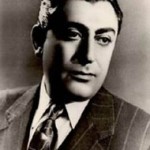
Banan: the Artist of the Age
Gholam Hossein Banan was born in 1911 in Tehran. He was born in an affluent art-loving family who were Naser al-Din Shah Qajar (1848-1896)’s relative. The Qajar King was his mother’s uncle on her father’s side. He learnt his first lessons in music while his father sang Iranian avaz (improvised rhythmic-free singing), he then attended classes by the renowned Iranian composer, Morteza Neydavoud (1900-1990) along with his sisters; the composer is, therefore, considered as his first teacher. He then learnt Iranian avaz under the supervision of Mirza Taher Zia Resaee (Zia-o Zakerin) and Naser Seif in an oral manner.
From the Last Instrumentalist to the First Composer (II)
Rouhollah Khaleghi was the master of composing beautiful melodies. He was the premier of the course of history which was first established by Ali Naghi Vaziri and which improved the Iranian music from simply a gathering music to the classical music of the country. First efforts to compose independent and instrumental music can be also traced in Khaleghi’s works.

The 4th Iranian Festival of Music Websites and Weblogs
The 4th Iranian Festival of Music Websites and Weblogs was held in Niavaran Cultural Center, in Tehran, Iran on Feb. 28th, 2015. The initiator of the festival was Sajjad Pourghanad, Iranian music writer, researcher, founder of the festival and Persian setar and tar player.

Developments in Iranian Music Since Qajar Era (II)
Santour:
Nine-bridge and twelve-bridge Sanours were both used until the early Pahlavi dynasty. However, as Faramarz Payvar devised new methods for playing the nine-bridge Sanour, this variety of the instrument which was hammered by felted sticks became popular.
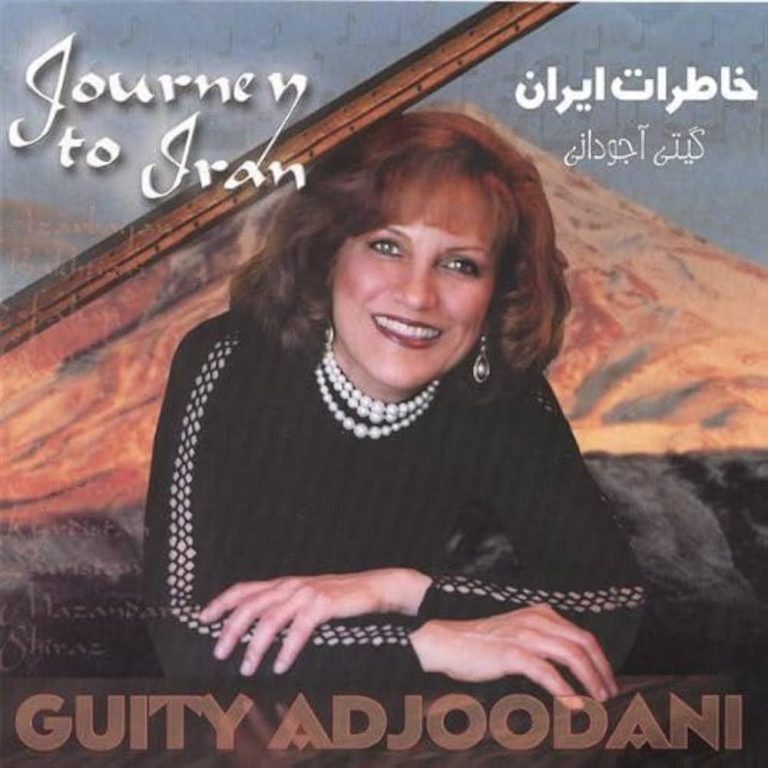
Journey to Iran Revisited: Celebrating 20 Years of Guity Adjoodani’s Return to Persian Roots
This year marks the 20th anniversary of “Journey to Iran,” an album by Iranian pianist Guity Adjoodani that has resonated with audiences worldwide. Released two decades ago, this album is a beautiful tapestry of twenty Persian folk songs, each carefully selected from the rich musical traditions of various regions in Iran. It also features four notable compositions by the esteemed Javad Maroufi (1915-1992): “Prelude,” “Jila Fantasia,” “Golden Dreams” (Khaab-haa-ye Talaayi), and “Isfahan Rhapsody.” Additionally, the album includes the beloved song “Kiss Me” (Maraa Bebous) by Majid Vafadar (1912-1975), adding depth to an already impressive collection.

Jamshid Andalibi passed away!
Jamshid Andalibi, one of the most famous ney players in Iran, passed away on the fifteenth of Esfand, 1402, at the age of 66 due to a heart attack at his private residence. Andalibi was a member of a family that had a significant presence in the field of Iranian music in the sixties and…
Read More

Polyphony in Iranian Music (V)
In addition to the above-mentioned, polyphony can be also formed when a melody is performed by several singers in different ambiances or different sound registers according to their physiologic abilities. An example of this has been performed in rituals of Khanqah of Ghaderi darawish of Mahabad[i].
A combination of technique and musicality in the fingers of a pianist
In the world of classical music, the position of soloist has always been exceptional. Apart from the technical ability that many orchestral musicians also have, the soloist must also have a special power to be able to present a different and unique perspective of a piece. The soloist must maintain its special power of expression not only in solo roles but also when interacting with the orchestra.

Iannis Xenakis’ Persephassa
Shiraz Arts Festival which was held in Shiraz from 1967 to 1977 featured many contemporary renowned artists who were commissioned by the Iranian royalty to compose or create works of art for performance in the arts festival. Iannis Xenakis (1922-2001) participated in Shiraz Arts Festival three times in 1968, 1969 and 1971. The Greek-French composer,…
Read More